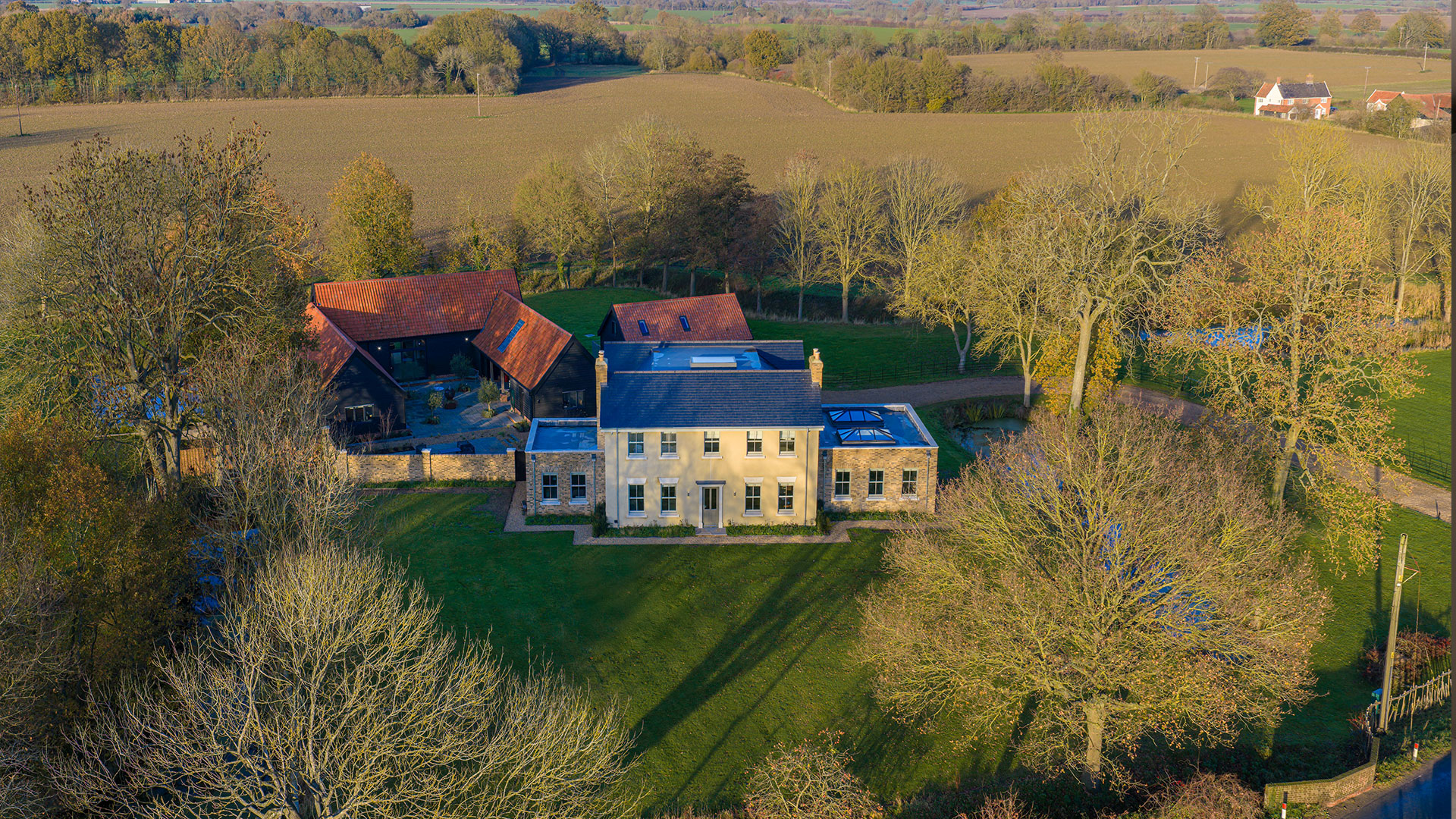
For many people, building a luxury home begins with a vision. It might be a contemporary home overlooking open countryside, a traditional country house built with timeless materials or a striking architectural statement designed around modern family living. Whatever the aspiration, there is often a common misconception that the journey begins when construction starts - it doesn't.
In reality, the success of a bespoke home is determined months and often years, before the first foundations are excavated. The decisions made during the planning and design stages will have a far greater influence on the finished property than anything that happens once construction begins.
This is why the best bespoke home builders do not just build houses. They guide clients through an entire process, helping transform an idea into a home that is beautiful, practical and capable of standing the test of time – because great homes are planned, not built.
Every exceptional home begins with the land. Some clients already own a plot, while others are still searching for the perfect location. In either case, selecting the right site is one of the most important decisions in the entire project.
However, a beautiful piece of land does not automatically make it suitable for development. Planning restrictions, access arrangements, topography, drainage, existing trees, neighbouring properties, ecology and ground conditions can all influence what is ultimately achievable.
What appears to be an ideal plot can quickly become a complex and expensive project if these factors are not properly understood. This is why an experienced design and build company will often begin by assessing the site's potential before any significant investment is made.
Sometimes the most valuable advice a client receives is not how to build on a piece of land, but whether they should buy it in the first place.
Feasibility Comes Before Design
Once a site has been identified, enthusiasm often leads people to think about floor plans, kitchens and architectural styles. However, before any of those discussions take place, the project needs to be tested.
Can the client's aspirations realistically be delivered within the planning constraints? Does the budget align with the scale of the ambition? Will the ground conditions support the proposed design? Are there utility connections available and what engineering challenges exist?
By identifying risks early, the project team can make informed decisions that reduce delays, control costs and improve the likelihood of a successful planning application. It is far easier and significantly less expensive, to resolve challenges on paper than it is once construction has begun.
There is a tendency to think of architects, engineers and builders as separate disciplines working independently, but the reality is very different. The most successful bespoke homes are created through collaboration, where architects bring creativity, spatial thinking and design excellence and engineers ensure the building performs structurally and technically.
Construction professionals further contribute buildability, sequencing, programme management and cost certainty and when these disciplines work together from the outset, ideas remain ambitious while also remaining practical.
This collaborative approach helps avoid one of the most common problems in luxury residential construction - a beautiful design that is either impossible to build efficiently or significantly exceeds the available budget. Great design should inspire, but it should also be deliverable.
Planning Permission is About More Than Paperwork
Planning is often viewed as an administrative hurdle. In reality, it is one of the most influential stages of the project.
A successful planning application requires far more than architectural drawings. It involves understanding local planning policy, responding to the character of the surrounding area and demonstrating how the proposed development sits comfortably within its environment.
Depending on the site, supporting information may include ecology surveys, tree assessments, drainage strategies, heritage statements, transport assessments and environmental reports.
Projects that are carefully considered from the outset generally progress through planning more smoothly than those developed without a clear strategy. Patience during this stage often prevents costly redesigns later.
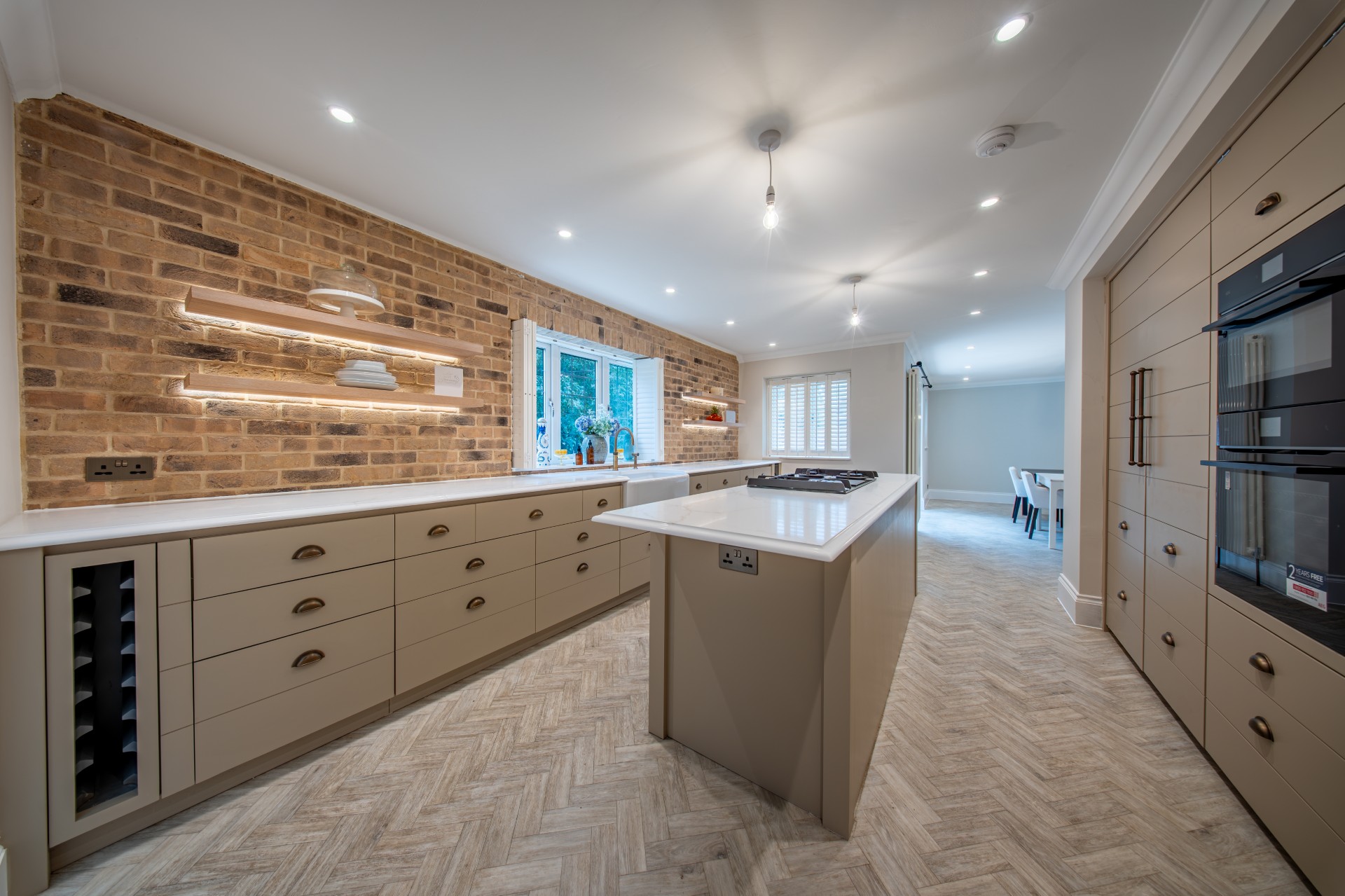
Luxury homes are also defined by quality rather than size. Natural stone, bespoke joinery, specialist glazing, handcrafted staircases, smart home technology and premium finishes all contribute to creating exceptional properties. However, these features also need to be carefully managed within the overall budget.
A well-developed cost plan allows informed decisions to be made before work begins.
Rather than making compromises during construction, priorities can be established early, ensuring investment is directed towards the areas that will deliver the greatest long-term value.
In reality, cost certainty is rarely achieved through guesswork. It comes from careful planning, transparent communication and detailed project development.
One of the least visible, but most valuable stages of any bespoke home is pre-construction. This is where detailed programmes are developed, technical information is coordinated, procurement strategies are agreed and construction logistics are planned.
Although little physical progress is visible, this stage establishes the framework that will guide the entire build. Clients often assume construction begins when machinery arrives on site. Much of the project's success however, has already been determined before the first excavator appears. The more thoroughly a project is planned, the more efficiently construction is likely to proceed.
Procurement is About More Than Buying Materials
The quality of a bespoke home depends heavily on the people involved in delivering it. Procurement is therefore about much more than ordering bricks or timber. It involves selecting trusted suppliers, specialist trades and manufacturers capable of achieving the standards expected on a high-end residential project.
Long lead items such as glazing systems, bespoke kitchens, stone finishes and specialist joinery often require careful planning months in advance. Managing these relationships effectively helps maintain programme certainty while ensuring the finished home reflects the original design vision.
When construction finally begins, it is often viewed as the main event. In truth, it is simply the stage where months of planning begin to take physical shape. Every decision made during feasibility, design, planning and pre-construction now influences daily activity on site.
Projects that have been carefully prepared tend to progress more efficiently because uncertainty has already been removed.
Communication also remains critical throughout this phase. Regular progress meetings, quality inspections and programme reviews ensure clients remain informed while maintaining confidence that the project is progressing as intended.
Of course, receiving the keys to a completed home is undoubtedly one of the most rewarding moments in any project. However, handover should never be viewed as the finish line.
Clients need comprehensive information explaining how their home operates, from heating and ventilation systems through to smart home technology and maintenance requirements.
The transition from construction to occupation should therefore be seamless. A thoughtfully managed handover gives homeowners confidence that every aspect of their new property has been completed to the expected standard.
Exceptional Homes Continue to Evolve
Even after occupation, a bespoke home continues to settle and evolve. Minor adjustments may be required as materials naturally respond to seasonal changes. Aftercare therefore plays an important role in ensuring the finished home performs exactly as intended. It also reflects the relationship between homeowner and builder.
The best construction companies do not disappear once the project has been completed. They remain available to provide advice, address any issues and ensure clients continue enjoying their investment for many years to come.
The finished property may be what everyone sees, but the real success of a bespoke home lies in everything that happened beforehand. Finding the right site. Testing feasibility. Assembling the right professional team. Developing realistic budgets. Navigating planning. Coordinating design. Managing procurement. Planning construction. These are the stages that determine whether a project is simply completed or genuinely exceptional.
At Province Group, we believe our role extends far beyond construction. As a design and build specialist, we work alongside our clients from the earliest stages of a project, helping them make informed decisions that reduce risk, protect investment and ultimately deliver homes that reflect both their aspirations and the way they want to live.
Because the finest homes are never created by chance. They are created through careful planning, collaboration and an unwavering commitment to getting every stage of the journey right.




.png)
.png)